Sunday, March 31, 2024

Create Your Platter

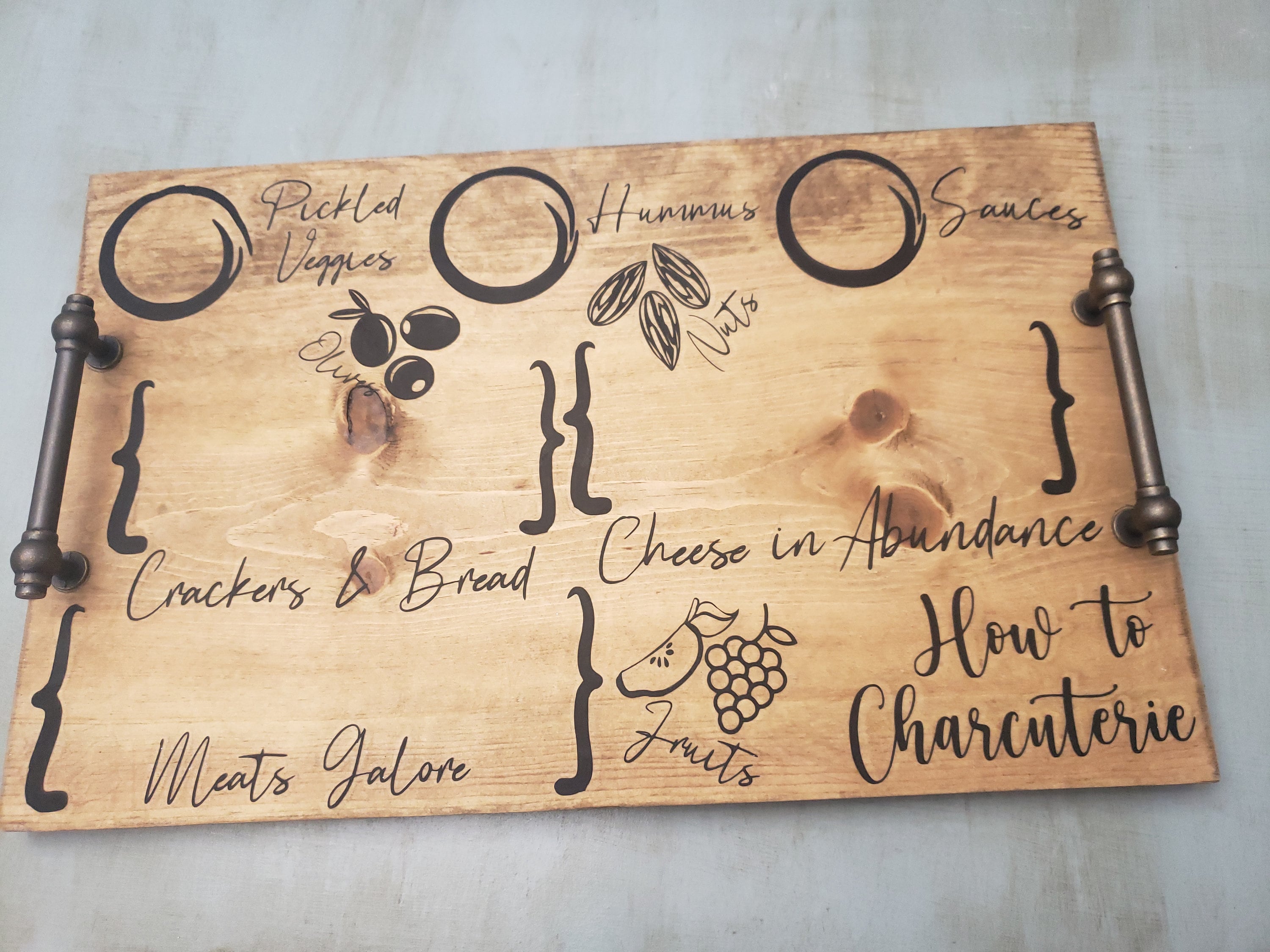
charcuterie board design

However, the focus here isn't on the cheese so feel free to throw those rules directly in the trash bin. Before you go to the store to purchase your board items, do the math! If this Simple Charcuterie Board is the star of your show, go with 3 ounces of meat per person. If the board is an addition to a buffet of other food items, go with 2 ounces of meat per person. This french fry charcuterie board is just plain fun.

Charcuterie Board vs. Cheese Board

That size is great for large parties, but not so great if you just need a small board for one, or a small snack for date night. A fun addition to this themed board would be a specialty cocktail. Select a flavor that complements the elements on the charcuterie board, and make (or buy) a cocktail with those flavors. Charcuterie is the art of preparing and assembling cured meats and other meat products. But, many people use the term charcuterie to refer to an assortment of meats that are paired with different accompaniments, such as toast, fruit, cheese, and sauces.

Candy Christmas Board

Here's everything you need to put together a balanced charcuterie board that looks as good as it tastes. Using a cookie cutter to cut a star into the wax on a Babybel cheese was such a brilliant idea! The pop the red gives is perfect for your 4th of July BBQ or patriotic party. You can add any variations of breakfast food that you love including pancakes, waffles, crepes, and pastries.

Prosciutto and Fig Salad Board

Add some vegetables, hummus, and some fruits to your plate to customize it as needed. Simple snacks go a long way, and it doesn’t matter as long as you’re surrounded with good company. Just because you’re working on a budget doesn’t mean you can’t make a full board to the table. This works well with a fun brunch with a friend or just at a cute little breakfast date.

Charcuterie Board Ideas

Another easy and completely gorgeous charcuterie flower arrangement. How cute is this bread bowl bunny filled with dip? Kids and adults alike love the easter spirit this cutie brings out. Check out our FAVORITE spinach artichoke dip recipe for an idea of what to fill your bread bowl with. It’s best to know your audience for this type of board.

charcuterie board design

Candy is the key to a slumber party charcuterie board—even if it keeps the kids up a little bit later. We went with pink, blue and purple sweets, including rock candy, gummy sharks, yogurt-covered pretzels and bubble gumballs. Our Sleeping Bag Blondies tie everything together, with pink, blue and purple “comforters” frosted on top. Pick your favorite Hanukkah desserts to add to this holiday “charcuterie” board. If you truly want to master the art of making a charcuterie board, read up on the best cheese board pairings, along with the best wine and cheese pairings. But it doesn't have to take a lot of effort; often just a few small touches make all the difference.

PICKLED ITEMS

Ocala mother finds happiness, success in charcuterie board business - Ocala

Ocala mother finds happiness, success in charcuterie board business.

Posted: Sun, 14 Nov 2021 08:00:00 GMT [source]

For mine today, I used a massive piece of square board I had in the garage, 24×24-inches. Copyright © International Charcuterie Association. Then, when you've decided you like building grazing experiences, make it official! The legal specifics will vary from state to state, country to country and even town to town, but tend not to be difficult, time consuming or costly. The Grazing Kitchen specializes in one of a kind, modern  Charcuterie Grazing Boards and Boxes that are made to order and handcrafted with love locally in San Clemente. In private events, everyone builds their own individual board, unless pairs is specifically requested.

You'll want to include a few starchy sidekicks, especially if your board includes soft, spreadable cheeses and jams. There's no hard-and-fast rule here, though we recommend offering two types of crackers or breads with different flavor profiles. If someone on your guest list has gluten sensitivity, consider subbing in a nut-based cracker option. We love a themed charcuterie board, and there’s nothing more festive on February 14 than heart-shaped foods. Our Valentine’s Day charcuterie board includes marbled meringue hearts, conversation hearts, Palmiers and halved strawberries.

Valentine's Chocolates Box

In fact, dessert charcuterie is (almost) our favorite kind, especially when it includes popcorn and nougat. Between the baby carrots, watermelon radishes, assorted berries and fresh mint, this cheese board couldn't get more spring-inspired if it tried. A varied quartet of cheeses—Brie, gorgonzola, Colby Jack and aged gouda—ensures that there's something for everyone on the platter.

Charcuterie Boards 2024 - Forbes Vetted - Forbes

Charcuterie Boards 2024 - Forbes Vetted.

Posted: Thu, 16 Mar 2023 07:00:00 GMT [source]

In many cases, as long as you have a decent population near you, you can expect there will be a healthy number searching for it. As you can see from the trends stats below, charcuterie is not only in demand now, it has been increasing every year with amazing sales peaks during the holiday season. The key to a killer brunch board is making minis of the mains, like silver dollar pancakes, French toast sticks and bite-sized quiches.

Bordering on a veggie tray, this festive platter also contains the delicious sweets we all like to snack on around the holidays. Have the best of both worlds plus so cute festive characters with this charcuterie board. We have so many charcuterie board ideas, you’ll see there’s no end to the imagination and creativity. I love creating beautiful charcuterie boards for the season. You will find charcuterie boards perfect for holidays such as Thanksgiving, Christmas, or Easter. You will also find dessert chocolate charcuterie board and an Italian charcuterie board perfect for an Italian dinner.

Think venison sausage, mini cheeseballs, Ritz crackers and red pepper jelly over cream cheese for dipping. Here, an easy honey drizzle (plus plenty of seasonal garnishes) will impress without much effort on your part. It incorporates all your favorites while keeping to the charcuterie theme.

You can always add other delicious, creamy spreads, such as hummus, tzatziki, eggplant paste, baba ganoush, yogurt, chicken liver pâté, or hot dips. Place the slices of bread close to the spreadable foods. So while others are snacking on the traditional charcuterie boards you will have extras for friends with dietary restrictions or who just want vegan options. Recently, the term has come to refer to a variety of meats served with a range of sides, including fruit, cheese, crackers, bread, sauces, nuts, and so forth. Make planning & shopping easier with this free charcuterie board shopping list PDF!

I’d suggest have at least 3 different cheeses in different shapes and sizes. Keep in mind my board was very large, but I chose 4 cheeses- brie, smoked gouda, blue cheese, Pecorino Romano and a bloc of cream cheese that I added spicy jelly on top. I’ve seen lovely charcuterie boards on round lazy suzan type boards, large rounds with handles. My favorite places to shop for boards are TJ Maxx Home Goods and antique/second hand shops. OR….Home depot will literally cut you a piece any size you’d like.

So too the pastes, jams, dips, mustard, fruit, veggies – covered bowls in the fridge. Make sure to assemble it all before you cut the bread or bagels. And not too late because many ingredients will dry out or get soggy.

34 Drop-Dead-Gorgeous Charcuterie Board Recipe Ideas

charcuterie board design

The bowls will keep the food in place and they are great to stack and pile other elements onto them. Contrasting shapes look amazing when close to each other. If you're placing something that guests can slice themselves (such as sausage), make a few slices to get it started. Vanessa Greaves is a Senior Editor at Allrecipes with nearly two decades of experience helping home cooks gain confidence in the kitchen. A self-taught cook who grew up reading cookbooks for fun, Vanessa lives and breathes the challenges faced by busy everyday cooks to get dinner on the table. You can include some personal touches with different types of crackers for something more filling.

State College Residents Launch Hand-Crafted Charcuterie Board Business - Statecollege.com

State College Residents Launch Hand-Crafted Charcuterie Board Business.

Posted: Thu, 19 Jan 2023 08:00:00 GMT [source]

How to Create a Charcuterie Board

charcuterie board design

You can enjoy them with the meats, cheeses, crackers—everything! For the best flavor balance, include at least 1 savory + 1 sweet spread on your board. There are so many charcuterie board ideas perfect for the holiday season, like a snowman cheese board, a Christmas charcuterie wreath or a charcuterie chalet. What’s a Fourth of July party without plenty of red, white and blue? Typically, a charcuterie board is an array of cured, smoked, or cold cooked meats on a board served before a meal as an appetizer, or during a party as finger food.

Christmas Dips

Best Super Bowl Charcuterie Board Inspirations - POPSUGAR

Best Super Bowl Charcuterie Board Inspirations.

Posted: Wed, 09 Feb 2022 08:00:00 GMT [source]

Fruits and veggies add color and freshness to a charcuterie or meat and cheese board. They're also a tasty contrast to rich, salty meats and cheeses. When planning which items to include, consider foods that can be eaten whole or cut into slices.

What Is A Charcuterie Board Business?

Another post-pandemic solution is single-serve charcuterie cups. Great for an on-the-go snack, and for guests to avoid sharing germs. Boards provide a sense of entertainment and wow for guests. Try making a board themed around your drink or cocktail.

Making sure to consider your guests preferences, as well as the quality of the meat you serve, is the first step to success. When planning and shopping for your board, think about who you’ll be feeding. Select a few types of meat that you like best, then select some that you know will be crowd-pleasers for your guests.

If you're looking for fun things to put on a charcuterie board, look no further than these breakfast and brunch inspired platters. This is a cute way to serve everyone's favorite meal of the day. Be sure to think about color and texture when creating a board like this. Charcuterie boards are more fun because there are lots of colors, textures, and ingredients. Like I said above, this is your board so choose your favorite varieties of cheese.

Another great touch is the use of kabob sticks to make this an easy board to grab and go from. The best part about making small charcuterie boards is that you can splurge on some higher-priced items since you don’t need much. My splurge is always a good quality cheese or prosciutto. I also like to add prosciutto, not in my photos today. The trick with adding meats to your board, is keep them in groups. Some of the salami near the blue cheese, I folded lightly in half for fun.

What are the best cheeses to use:

By following this guide, you can assemble a visually stunning and delectable charcuterie board that will impress your guests and make any gathering memorable. Use a cup and thinly sliced meat to create these unique and beautiful flowers for your next charcuterie board! Oh my goodness @boards_by_brooke_ on IG really outdid herself on this one! We love the use of the mini pumpkin hollowed out to fit a dish with jam, and the letters cut from cheese!

Sweet and Sour Chicken

Stuffed olives, nuts, and some fruits are perfect to add to this charcuterie board. Once you add the meats and cheeses, move on to the lighter items like crackers. I've served a lot of meat and cheese boards in my day. I've seen what gets eaten, and sadly, what gets left behind.

However, it is important to avoid falling into the common trap believing word of mouth alone will grow your sales. Having at least a simple “go to market” strategy in your charcuterie business plan is vital. Exact startup costs can range from a few hundred dollars to over $10K depending on what kind of charcuterie business you want to get into. As with everything, your success depends on how much effort you put in and demand in your local area. More than a few charcuterie business owners have no problem generating over $100,000 per year from demand in their local area, with some some earning $1 million and up.

Charcuterie boards are typically made of a selection of meats and accompaniments, such as cornichons, grainy mustard, or fig jam. By now, you’ve seen charcuterie boards all over Instagram, they’re AMAZING, but can also be a little daunting. I want to break down exactly what you’ll need to be on your way to create your own impressive cheese board! Be sure to follow Picky Palate on Instagram for daily recipe inspiration. You’ll find different charcuterie board themes throughout this post, along with beautiful examples from around the internet to help inspire you.

The Venice Biennale and the Art of Turning Backward The New York Times

backwards design

In the simplest terms, Backward Design is like planning a treasure hunt. Instead of starting with the first clue, you begin by planting the treasure—your final learning goal. Because understanding how Backward Design works can make anyone a better learner and even a better teacher, whether you're helping your kid with homework or leading a team at work. Plus, it's a learning tool that schools and companies are using more and more, so it's good to know what it's all about. You walk away really getting it, able to use what you learned in real life. Well, there's a good chance the person teaching you used Backward Design to plan that awesome learning experience.

Stage 2: Evidence and Assessment

When teachers are designing lessons, units, or courses, they often focus on the activities and instruction rather than the outputs of the instruction. Therefore, it can be stated that teachers often focus more on teaching rather than learning. This perspective can lead to the misconception that learning is the activity when, in fact, learning is derived from a careful consideration of the meaning of the activity.

What is the backward design model?

Hell in a Handbasket: Budweiser Now Printing Labels Backwards, for Legibility in Selfies - Core77.com

Hell in a Handbasket: Budweiser Now Printing Labels Backwards, for Legibility in Selfies.

Posted: Wed, 05 Feb 2020 08:00:00 GMT [source]

Once you have worked through the three steps of backward design, you should make sure that all elements (objectives, assessments, learning activities, and instructional materials) align with each other. This last example provides intended learning outcomes for a subject focused more on soft skills, where measuring student ability objectively is significantly more nuanced and difficult. However, these ILOs still communicate crucial information to students about what good communication looks like to the instructor and help them better understand what will be expected of them in the course. Looking ahead to step two of backward design, you will need to identify evidence that an intended learning outcome has been obtained. If a learning outcome is not measurable, then we will not be able to know whether or not our course successfully achieved its goals. Contrary to a popular assumption, this does not mean that the leaning goal has to be quantitatively measured by some objective instrument (like a multiple-choice test).

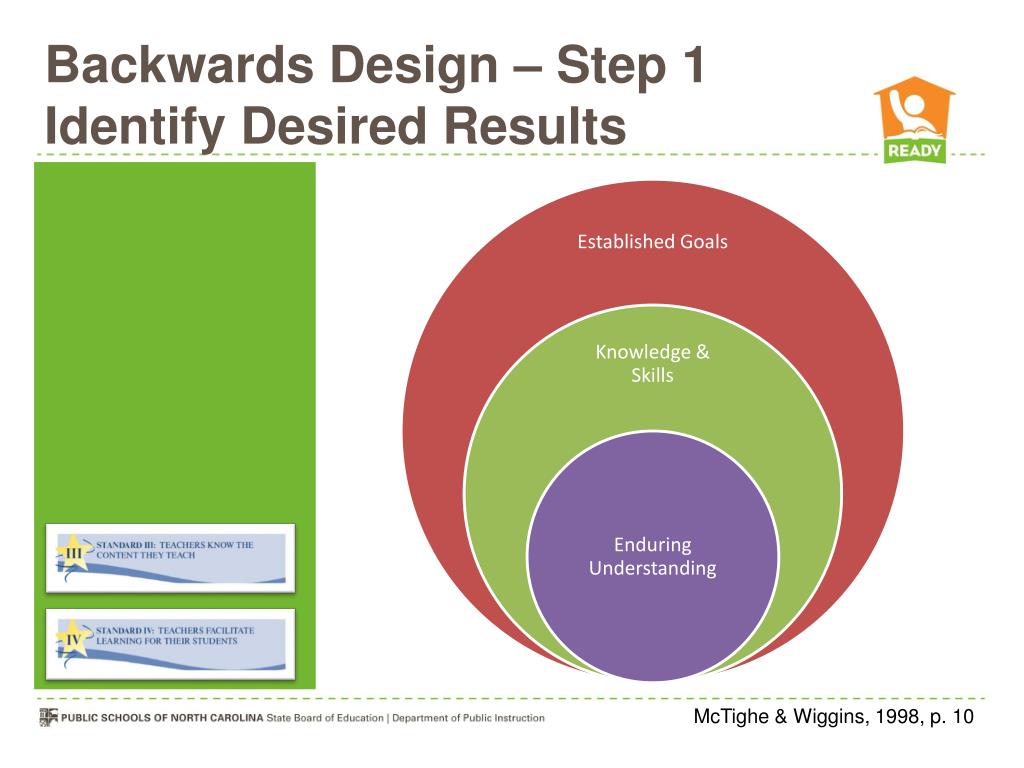
Step 1: Identify the Desired Results

While these challenges and criticisms provide a more nuanced view of Backward Design, they don’t necessarily invalidate its effectiveness. Many educators find ways to adapt the approach to suit different learning environments and needs. By acknowledging these theories and the scholars who contributed to them, we not only appreciate the intellectual roots of Backward Design but also understand its strong academic underpinnings.

A well-designed rubric can help you align your assessments to your intended learning outcomes. Your learning outcomes should be achievable for the students in your class and achievable in the time allotted to your subject. Crafting realistic learning outcomes requires some understanding of students’ prior knowledge and skills in your subject. Instructional strategies are the teaching methods by which you present new information to your students.

Traditional vs. backward design lesson planning

I had decent relationships with my students and I believe most of them had good experiences in my classroom, but real, durable learning? By following these practical tips, educators can take meaningful steps towards successfully implementing Backward Design. The transition may come with its challenges, but the potential benefits for both teachers and students are substantial. Teachers like Carol Ann Tomlinson, known for her work on differentiated instruction, have noted that when students understand what they're working towards, they are often more engaged and motivated. Backward Design’s focus on clear objectives and transparent assessments lets students know what's expected of them, which can enhance their motivation to succeed. Plus, because Backward Design focuses on real-world skills and applications, students can easily see the value in what they're learning.

The Before, Where the Final Product is a Test

The key question is whether a one-size-fits-all approach can adequately cater to a classroom that is increasingly diverse in terms of learning styles, physical abilities, and cultural backgrounds. Scholars in the field of special education, such as Thomas Hehir, question whether the Backward Design framework is flexible enough to accommodate learners with diverse needs. Issues around accessibility, differentiated instruction, and cultural responsiveness come to the fore. The rigidity of the Backward Design framework has also been critiqued by educators like Sir Ken Robinson, who champion the benefits of creativity and freedom in educational settings. Educational scholars like Alfie Kohn have raised concerns that an approach like Backward Design, which starts with outcomes and assessments, might place too much emphasis on testing and grading.

And in the face of a new teaching environment (e.g., online), it becomes clear just how crucial it is that we create authentic, pedagogically sound assessments. Now it is time to plan the lessons, determine reading assignments, method of instruction, and other classroom activities to support student learning. With students’ needs in mind, instructors can choose the most appropriate methods to help their students achieve the learning objectives. The primary starting point for backward design is to become familiar with the standards/outcomes for the grade level and curriculum being taught. The second part of curriculum planning with backward design is finding appropriate assessments.

backwards design

Traditional vs. Backward Planning

These assumptions may not accommodate the needs or potential of individual students. Okay, so we’ve looked very closely at one small unit for a middle school science class. As educational paradigms continue to evolve, frameworks like Backward Design will likely undergo revisions and adaptations. Current trends in educational technology, personalized learning, and inclusive education all offer exciting avenues for integrating and evolving the principles of Backward Design.

Using the Backwards Design approach will help you align your assessment, curriculum, and instruction. Summative Assessment involves graded activities that occur at the end of learning. Research over the past several decades has shown that students learn more and retain their learning longer if they acquire it in an active rather than a passive manner. Examples of summative assessments include exams, portfolios, presentations, written work. “Aligning teaching for constructive learning.” Higher Education Academy Discussion Paper.

Abackward design lesson plan can be an excellent way to improve your student outcomes and learning processes. If you’re an online course creator, an online tutor, or a teacher of any other type, you probably develop your lessons in the same way. You study standards, learning objectives, or profit margins, then create your lessons and learning materials based on those goals.

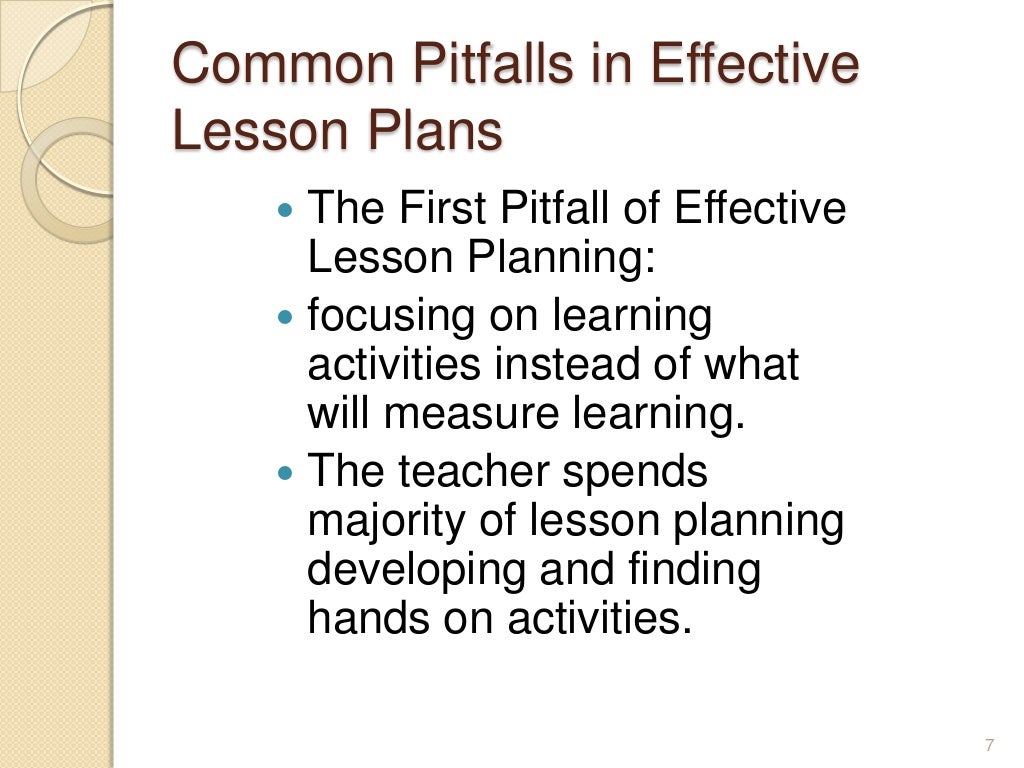
The following examples are simply suggestions for what creating backward design lesson plans might look like. When creating your own lesson plans, please refer to your state’s or school’s specific academic standards. Furthermore, when a teacher designs a lesson without a plan for the final assessment, they may be tempted to add activities or units to the lesson just for the sake of filling class time.

Section 1: Assessment Methods & Backwards Design Fit for Online Learning

backwards design

Academic standards usually provide the best direction for educational goals. For example, according to the Common Core Standards for Mathematical Practice, students should be able to understand the concept of ratios by the end of sixth grade. It is the teacher’s job to determine, via backward lesson design, how their students will reach the necessary level of proficiency. If it turns out that those favorite lessons don’t really align with any standards, you might be able to revise them so they do.

Instruction

There is no better metaphor for Instagram's shallowness than the people posting “backwards books.” - Slate

There is no better metaphor for Instagram's shallowness than the people posting “backwards books.”.

Posted: Thu, 11 Jan 2018 08:00:00 GMT [source]

Let’s take a look at an example to illustrate the difference between a unit planned the traditional, topic-driven way, and the same unit planned with backward design. Some chapters we did in class (I would read to them, then they would read silently), and others at home. Some students became as absorbed in the novel as I’d hoped they would; others, not so much. Predictably, some fell behind in the book like they did with all assigned reading.

Backward design lesson plan

Design backwards on reverse of 2022 Niue coin - Coin World

Design backwards on reverse of 2022 Niue coin.

Posted: Sat, 14 Jan 2023 08:00:00 GMT [source]

Formative assessment expert Paul Black advocates for continuous improvement through the feedback loop, which involves tweaking the lesson plans based on student performance and other data. Educators like Lorin Anderson, who revised Bloom's Taxonomy, appreciate that Backward Design encourages higher-order thinking skills. Because educators start with the end in mind, they can plan activities that go beyond rote memorization, facilitating skills like analysis, evaluation, and creation. This helps students become not just passive receivers of information, but active constructors of knowledge. Renowned educator Grant Wiggins, one of the creators of Backward Design, emphasized the value of well-defined learning goals in providing direction to both teaching and learning. When discussing the theoretical foundations of Backward Design, it's impossible to ignore Constructivism.

Teaching Guides

In traditional curriculum planning, a list of content that will be taught is created and/or selected.[4] In backward design, the educator starts with goals, creates or plans out assessments and finally makes lesson plans. Supporters of backward design liken the process to using a "road map".[5] In this case, the destination is chosen first and then the road map is used to plan the trip to the desired destination. In contrast, in traditional curriculum planning there is no formal destination identified before the journey begins.

backwards design

All CFT Teaching Guides

Alignment is the degree to which learning objectives, assessments, learning activities, and instructional materials work together to achieve the desired course goals. The backward design approach to curriculum planning enables educators to provide goal-centered instruction. With learning objectives centered, students can appreciate the relevance of the instructional content. The backward design approach for curriculum development applies to individual lesson plans through the backward mapping approach.

Curriculum design, and instructional design

Education authorities establish a curriculum in a top-down manner that may not fully address the circumstances in a classroom. With this “after” version, every lesson is designed to prepare students to give excellent presentations at the end. The whole time, they are using the lunar cycle vocabulary, correcting each other’s misconceptions, and just like scientists, thinking about how to explain concepts to other people. If we assume that a large portion of a student’s grade is based on the test, then students are not being measured on their achievement of that standard. The standard does not require students to memorize the phases of the moon.

The concept of Backward Design was invented by two education experts named Grant Wiggins and Jay McTighe in the late 1990s. Their goal was to make learning more focused and useful, not just for kids in school but also for adults in professional settings. The big ideas and important understandings are referred to as enduring understandings because these are the ideas that instructors want students to remember sometime after they’ve completed the course. Using anticipated learning outcomes for backward design of a molecular cell biology Course‐based Undergraduate Research Experience. Wiggins and McTighe propose a framework called Six Facets of Understanding as a guide for building effective assessments.

A dynamic resource for goal-centered learning

Or you might keep them for other reasons—not every minute of class time has to be spent on standards-based instruction. Some activities have value because they help us get to know each other better, they help students develop social-emotional skills, or they simply offer a bit of fun. But if a lesson doesn’t do any of these things, if it’s disguised as learning but is doing little more than keeping students busy, it’s time for it to go. The traditional approach to education planning, sometimes called "Forward Design," usually starts with content and activities. Teachers first decide what to teach (content), then how to teach it (methods and activities), and finally, how to evaluate learning (assessment). At this stage it is important to consider a wide range of assessment methods in order to ensure that students are being assess over the goals the instructor wants students to attain.

Using a process like backward design helps us get better at making these decisions. By making this approach part of our regular practice, we’ll be able to look back on a day, a week, or a year of teaching and say with a lot more certainty that when they were under our care, our students learned. Like I did, you probably also have some favorite lessons and activities. Some of these might turn out to be not just fun to teach, but also solid in terms of equipping students with knowledge and skills that will last.

This method is rooted in the constructivist theories of educators like Jean Piaget. Like Backward Design, Inquiry-Based Learning encourages higher-order thinking skills. However, it differs in that the learning process is far less structured, often initiated by a question or problem posed by the students themselves rather than pre-defined learning objectives. One of the most celebrated aspects of Backward Design is its focus on clear learning objectives.

It is made up of six non-hierarchical ‘domains’ or ‘facets’ that they identify as indicators of understanding. Assessment refers to the wide variety of methods or tools that educators use to evaluate, measure, and document the academic readiness, learning progress, skill acquisition, or educational needs of students. Bloom’s Taxonomy is a great tool in helping to identify action verbs appropriate for measurement. In the first stage of backward design, instructors identify what students should know, understand, and be able to do by the end of the course, lesson or module. Learning outcomes describe what students know or can do, not what the instructor does. Remember that “students” is the subject of the generic learning outcome stem shown at the beginning of this section.

They will never sit for a test and not know what the test is talking about or what he wants them to do. Unfortunately, this results in tests or assessments that don’t always reflect what the students did or learned. We’ve all experienced an unfortunate class or two where the test didn’t seem to reflect anything we had learned in lessons or course materials up until that point. I was first introduced to this concept in my sixth year of teaching, and the genius of it completely blew me away. I used it when planning my next unit and experienced the biggest spike in student success I’d ever seen. On top of that, I was actually excited about teaching the lessons I had planned.

30 Best Haircuts and Hairstyles for Wavy Hair Types in 2023

Table Of Content Lea Michele’s choppy fringe Ash Brown Hair Looks Trending Right Now #3: Short-Length Wavy Bob with Thin Bangs on Fine Hair ...